Software Development, zBlog
Software Process Methodologies Explained: Agile, Waterfall, DevOps & Hybrid Models Compared
Team Trantor | Updated: December 23, 2025
Introduction
Software has become the foundation of modern business operations across industries—from finance, healthcare, and retail to logistics, manufacturing, and SaaS. As organisations grow increasingly dependent on digital systems, the way software is planned, built, tested, deployed, and maintained directly affects cost, quality, speed, and long-term scalability.
This is where Software Process Methodologies play a vital role.
Software process methodologies provide structured approaches that guide teams through the software development lifecycle. They help organisations manage complexity, reduce risk, improve collaboration, and deliver software that aligns with business objectives.
In this detailed guide, we explain software process methodologies from the ground up, compare the most widely used models—Waterfall, Agile, DevOps, and Hybrid approaches—and help you understand how to select and implement the right methodology for your organisation.
What Are Software Process Methodologies?
Software Process Methodologies are formal frameworks that define how software development activities are organised, executed, monitored, and improved. They establish:
- Development phases and workflows
- Roles and responsibilities
- Communication and collaboration practices
- Quality assurance and testing standards
- Release and deployment processes
- Feedback and improvement cycles
The primary goal of software process methodologies is to bring predictability, consistency, and control to software development while balancing flexibility and innovation.
Why Software Process Methodologies Are Important
Without a defined methodology, software development often becomes chaotic. Teams struggle with unclear requirements, missed deadlines, inconsistent quality, and misalignment between technical teams and business stakeholders.
Effective software process methodologies help organisations:
- Reduce project risk and uncertainty
- Improve planning and estimation accuracy
- Enhance collaboration across teams
- Deliver higher-quality software
- Adapt to changing requirements
- Scale development efforts efficiently
In the U.S. market, where speed, compliance, and customer experience are critical, choosing the right software process methodology is a strategic business decision—not just a technical one.
The Software Development Life Cycle (SDLC) and Methodologies
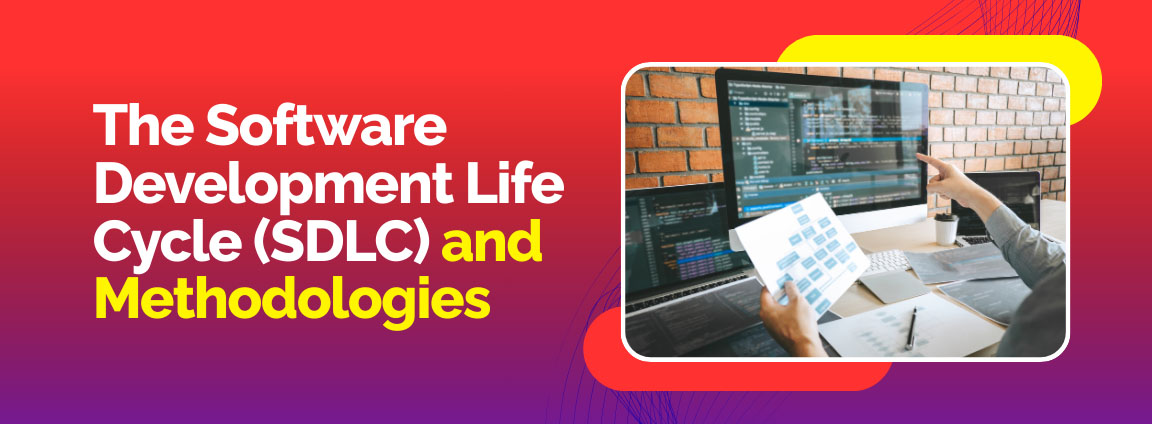
Most software process methodologies are built around the Software Development Life Cycle (SDLC). While terminology varies, the SDLC typically includes:
- Requirements gathering and analysis
- System design
- Development and implementation
- Testing and quality assurance
- Deployment and release
- Maintenance and continuous improvement
Each methodology approaches these stages differently—some sequentially, others iteratively or continuously.
Types of Software Process Methodologies
1. Waterfall Methodology
Overview
The Waterfall methodology is one of the earliest and most traditional software process methodologies. It follows a linear and sequential approach, where each phase must be completed before the next begins.
Key Characteristics
- Fixed scope and requirements
- Extensive documentation
- Clearly defined milestones
- Minimal changes once development starts
Advantages
- Easy to understand and manage
- Clear documentation and accountability
- Predictable timelines and budgets
- Suitable for regulated environments
Disadvantages
- Inflexible to change
- Late-stage testing increases risk
- Limited customer feedback during development
- High cost of rework if requirements change
Common Use Cases
- Government and public-sector systems
- Healthcare and medical software
- Financial compliance platforms
- Infrastructure and embedded systems
Despite criticism, Waterfall remains relevant where stability and compliance outweigh the need for rapid iteration.
2. Agile Software Development Methodology
Overview
Agile is an iterative and incremental software process methodology designed to handle uncertainty and frequent change. Instead of delivering software at the end of the project, Agile teams deliver small, functional increments regularly.
Core Agile Values
- Individuals and interactions over processes and tools
- Working software over comprehensive documentation
- Customer collaboration over contract negotiation
- Responding to change over following a plan
Popular Agile Frameworks
- Scrum
- Kanban
- Extreme Programming (XP)
- Lean Software Development
Advantages
- Faster delivery of usable software
- Continuous stakeholder feedback
- Improved product-market alignment
- Better visibility into progress
Challenges
- Requires experienced, self-organising teams
- Less predictability in timelines and scope
- Dependency on strong product ownership
- Can fail without organisational buy-in
Real-World Example
Many U.S.-based SaaS companies use Agile Scrum to release features every two to four weeks, enabling faster innovation and improved customer satisfaction.
3. DevOps Methodology
Overview
DevOps is a modern software process methodology that integrates development and operations to enable continuous integration, continuous delivery, and continuous improvement.
Rather than treating deployment and maintenance as separate phases, DevOps creates a unified lifecycle.
Core DevOps Practices
- Continuous Integration (CI)
- Continuous Delivery and Deployment (CD)
- Automated testing
- Infrastructure as Code
- Monitoring and feedback loops
Benefits
- Faster release cycles
- Reduced deployment failures
- Improved system reliability
- Better collaboration between teams
Challenges
- Cultural resistance
- Initial tooling and automation investment
- Requires mature engineering practices
- Security must be integrated early (DevSecOps)
DevOps is especially effective in cloud-native, microservices-based environments common across U.S. enterprises.
4. Hybrid Software Process Methodologies
Overview
Hybrid software process methodologies combine elements of multiple approaches to meet specific organisational needs. They are increasingly common in large enterprises.
Examples of Hybrid Models
- Agile-Waterfall Hybrid
- Scaled Agile Framework (SAFe)
- Disciplined Agile Delivery (DAD)
- Agile + DevOps
Why Hybrid Models Work
- Balance governance and flexibility
- Support legacy and modern systems together
- Adapt processes based on risk and complexity
- Scale across large teams and portfolios
Hybrid approaches are often the most practical solution for organisations undergoing digital transformation.
Comparison of Software Process Methodologies
How to Choose the Right Software Process Methodology
Selecting the right methodology depends on several factors:
- Project complexity and size
- Regulatory and compliance requirements
- Team experience and structure
- Technology stack and infrastructure
- Budget and timeline constraints
- Stakeholder involvement
There is no universally “best” software process methodology—only the best fit for a specific context.
Software Process Methodologies in Modern Technologies
Cloud Computing
Cloud platforms favour:
- Agile iterations
- DevOps automation
- Continuous deployment
Artificial Intelligence and Data Systems
AI-driven projects benefit from:
- Iterative experimentation
- Continuous learning loops
- Hybrid governance for ethics and compliance
Enterprise Digital Transformation
Large organisations often require:
- Hybrid software process methodologies
- Scaled Agile frameworks
- Strong integration with DevOps practices
Common Mistakes in Implementing Software Process Methodologies
- Treating methodology as a rigid rulebook
- Ignoring organisational maturity
- Adopting tools without process alignment
- Failing to train teams properly
- Measuring outputs instead of outcomes
Successful implementation requires ongoing refinement, not one-time adoption.
Frequently Asked Questions (FAQs)
What are software process methodologies?
They are structured frameworks that guide how software is planned, developed, tested, deployed, and maintained.
Which software process methodology is best?
The best methodology depends on business goals, team maturity, regulatory needs, and project complexity.
Can Agile and DevOps be used together?
Yes. Agile focuses on development cycles, while DevOps ensures smooth deployment and operations.
Are hybrid software process methodologies effective?
Yes, especially for large or regulated organisations balancing innovation with control.
Is Waterfall still used today?
Yes, particularly in industries with stable requirements and strict compliance needs.
From Information to Execution: Why Methodology Alone Is Not Enough
Understanding software process methodologies is essential—but implementation is where most organisations struggle. Real success comes from aligning methodology with people, technology, and business strategy.
Conclusion: Turning Software Process Methodologies into Measurable Business Outcomes
Understanding software process methodologies is no longer optional for modern organisations—it is foundational to how digital products are delivered, scaled, and sustained over time. As we have explored throughout this guide, methodologies such as Waterfall, Agile, DevOps, and hybrid models each serve distinct purposes, address different levels of risk and uncertainty, and align with different business realities.
What matters most is not following a methodology by name, but applying the right approach in the right context.
In practice, successful organisations do not rigidly adhere to a single model. Instead, they evaluate:
- The complexity of their systems
- The pace at which requirements evolve
- Regulatory and compliance obligations
- Team maturity and technical capability
- Long-term scalability and maintenance needs
When software process methodologies are thoughtfully selected and correctly implemented, they bring clarity to planning, improve collaboration across teams, reduce costly rework, and ensure that software delivery consistently supports business goals.
However, many organisations struggle at the execution stage. Frameworks are adopted, tools are purchased, and ceremonies are introduced—but outcomes fail to improve. This often happens when methodologies are implemented without alignment to organisational culture, without adapting to real-world constraints, or without a clear connection to measurable business outcomes.
This is where experience and practical guidance make the difference.
At Trantor Inc., we work closely with organisations to move beyond theory and turn software process methodologies into repeatable, scalable delivery systems. We help teams assess where they are today, identify gaps in process maturity, and design approaches—whether Agile, DevOps, hybrid, or structured models—that fit their technology landscape and business strategy.
Our focus is not just on how software is built, but on why it is built, how it delivers value, and how it can evolve sustainably in cloud-native, data-driven, and AI-enabled environments. By combining deep technical expertise with a strong understanding of business priorities, we support organisations in creating software processes that are resilient, adaptable, and outcome-driven.
Whether you are modernising legacy systems, scaling digital platforms, or rethinking how your teams collaborate and deliver, the right software process methodology—implemented the right way—can become a powerful competitive advantage.
And that is exactly where we help organisations succeed.